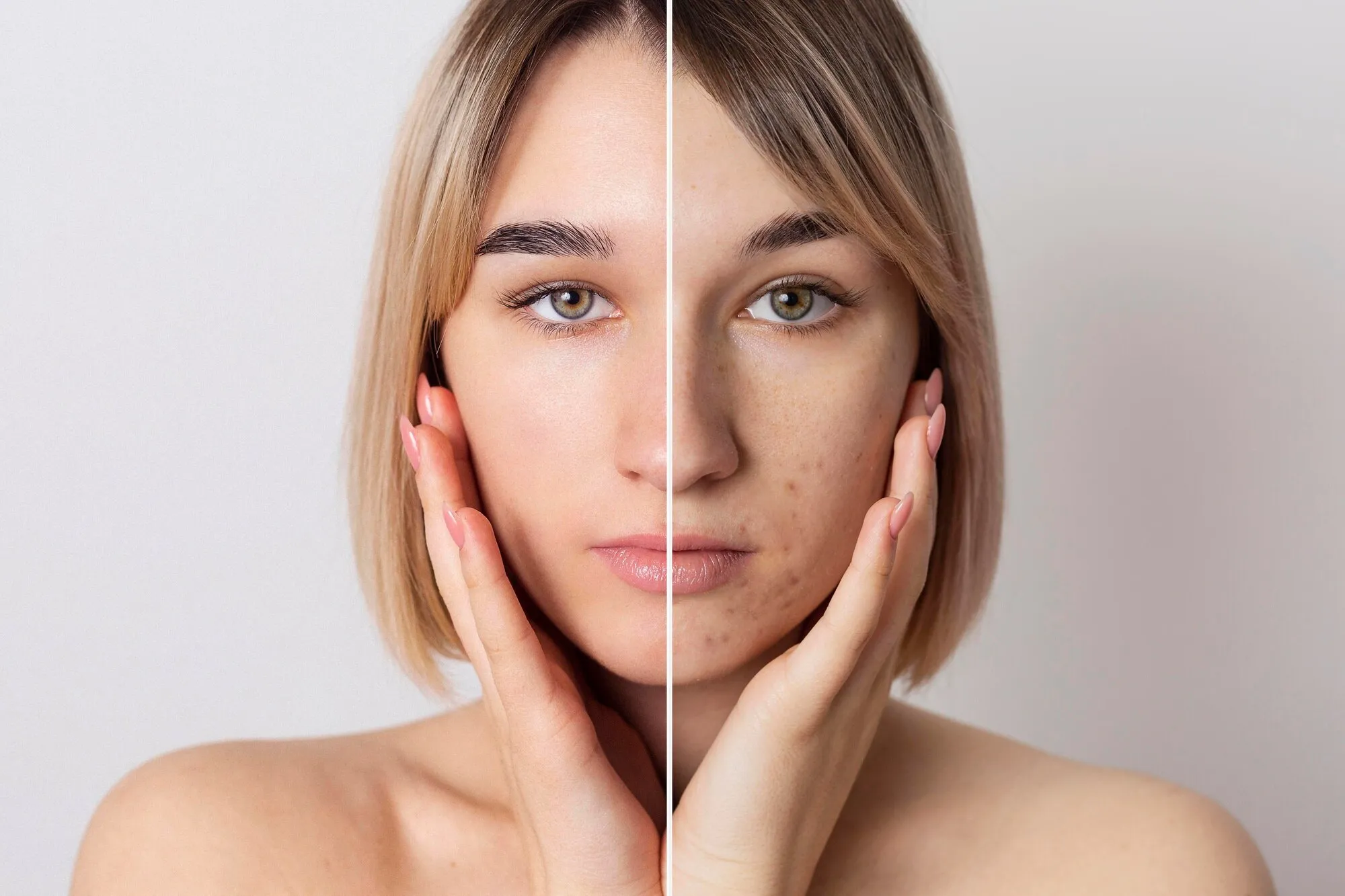
Melasma Treatment in Plainview, NY
Stay Ageless Clinic in Plainview, NY treats melasma using a multi-modal clinical approach -- GentleMax Pro 1064nm Nd:YAG laser (safe for Fitzpatrick I-VI), Microneedling with PRX Pen using TXA (tranexamic acid directly into the dermis), VI Peel Precision Plus, Perfect Derma Peel with Glutathione, and topical maintenance protocols. Melasma is chronic and recurrent -- the most common mistake is treating it aggressively with the wrong tools, triggering rebound hyperpigmentation. Farina Sial, PA, MBA -- 26 years at Mount Sinai South Nassau -- uses the AI skin analyzer to distinguish surface from deep dermal melasma before selecting treatment. Serving Long Island, Nassau County, and Suffolk County.
Why melasma needs a precise protocol
Melasma is one of the most complex pigmentary conditions in aesthetic medicine -- and one of the most commonly mistreated. Patients across Long Island come to Stay Ageless Clinic in Plainview, NY having tried treatments elsewhere that made their melasma worse. Understanding why this happens requires understanding what melasma actually is.
Farina Sial, PA, MBA -- with 26 years at Mount Sinai South Nassau -- assesses every melasma patient using the AI skin analyzer before any treatment is selected. The UV and Wu spectral imaging modes distinguish surface epidermal pigmentation from deep dermal melanin deposits -- a distinction that completely changes the treatment approach.
What Melasma Is -- And Why It's Different from Regular Hyperpigmentation
Melasma is a chronic, recurring pigmentary condition driven by a combination of UV exposure, hormonal factors (estrogen and progesterone stimulate melanocyte activity), heat exposure, and genetic predisposition. It appears most commonly on the upper lip, cheeks, forehead, and jawline. The critical difference between melasma and regular sun-induced hyperpigmentation is this: melasma involves melanocytes that have become chronically hyperactivated and hypersensitive to stimulation triggers -- UV light, heat, friction, and even the inflammation from overly aggressive treatment.
This is why the wrong treatment triggers rebound hyperpigmentation that is often worse than the original presentation.
Why Most Clinics Get Melasma Wrong
Using ablative or high-heat lasers
CO2 laser, Erbium, and high-energy IPL generate significant heat in the epidermis. In melasma-prone skin, this heat triggers the hyperactivated melanocytes to produce more pigment -- producing a darkening effect (post-inflammatory hyperpigmentation on top of existing melasma). This is particularly dangerous in Fitzpatrick III-VI skin.
Treating without maintenance protocol
Melasma is chronic. Any treatment that clears it without a maintenance protocol for UV protection and topical tyrosinase inhibition will see recurrence within weeks in sunlight.
Not distinguishing epidermal from dermal melasma
Surface peels treat epidermal pigment effectively. Dermal melasma sits deeper and requires intradermal delivery of tyrosinase inhibitors (TXA via microneedling) and low-energy laser that targets the deep dermis without surface heating.
The most common errors in melasma treatment are:
The Stay Ageless Clinic Melasma Protocol
GentleMax Pro 1064nm Nd:YAG
The 1064nm wavelength targets deep melanin selectively with minimal epidermal heating -- making it safe for Fitzpatrick I-VI and appropriate for dermal melasma. Used at conservative fluences in a series of treatments.
Microneedling with TXA (PRX Pen)
Tranexamic acid delivered directly into the dermis via microneedling channels suppresses tyrosinase activity at the source -- the dermis -- without surface peeling. Particularly effective for dermal and mixed melasma. Safe for all Fitzpatrick types including IV-VI.
VI Peel Precision Plus + Boost
For epidermal melasma in lighter skin types. The Precision Plus Boost contains additional brightening agents targeting resistant surface pigmentation.
Perfect Derma Peel with Glutathione
For patients with mixed melasma and significant sun damage. Glutathione shifts melanin production from eumelanin (dark) toward phaeomelanin (light) while TCA resurfaces the epidermis.
Maintenance protocol
Essential for all melasma patients: broad-spectrum SPF 50+ daily (non-negotiable), topical azelaic acid and/or TXA cream, strict avoidance of heat and friction triggers, and hormonal assessment if oral contraceptives or HRT are driving recurrence.
Learn more about laser and skin treatments: stayageless.net/laser-skin-treatments-plainview-ny.html
Questions patients ask before booking
What is the best treatment for melasma near Plainview, NY?
Why does melasma come back after treatment near Long Island?
Is melasma treatment safe for darker skin tones near Nassau County?
What causes melasma to worsen after treatment?
How long does melasma treatment take near Plainview, NY?
Book your consultation
Book your melasma consultation at Stay Ageless Clinic in Plainview, NY. Call 516-924-4153 or visit stayageless.net. Every new patient consultation includes a complimentary AI skin analysis -- at no additional charge.